Hardware for workshop and site
Rated, not described.
Structural fasteners, anchors, clamps, adhesives and bench tools. Every fixing publishes a working load limit against the substrate it was measured in, with the safety factor already taken out — and the ones that carry no rating say so in as many words.
Free shipping over $85 · Ships in 3–6 business days · All prices in USD
A number, not an adjective
Working load in pounds, against the substrate it was actually measured in.
Safety factor already out
What we publish is what you can hang off it, not what broke the sample.
Counted, not estimated
Boxed goods carry the real count and the batch on the label. Reorder and match.
30-day returns
Unused and in original packaging, on a prepaid label. No restocking fee.
Where most benches start
A place to start
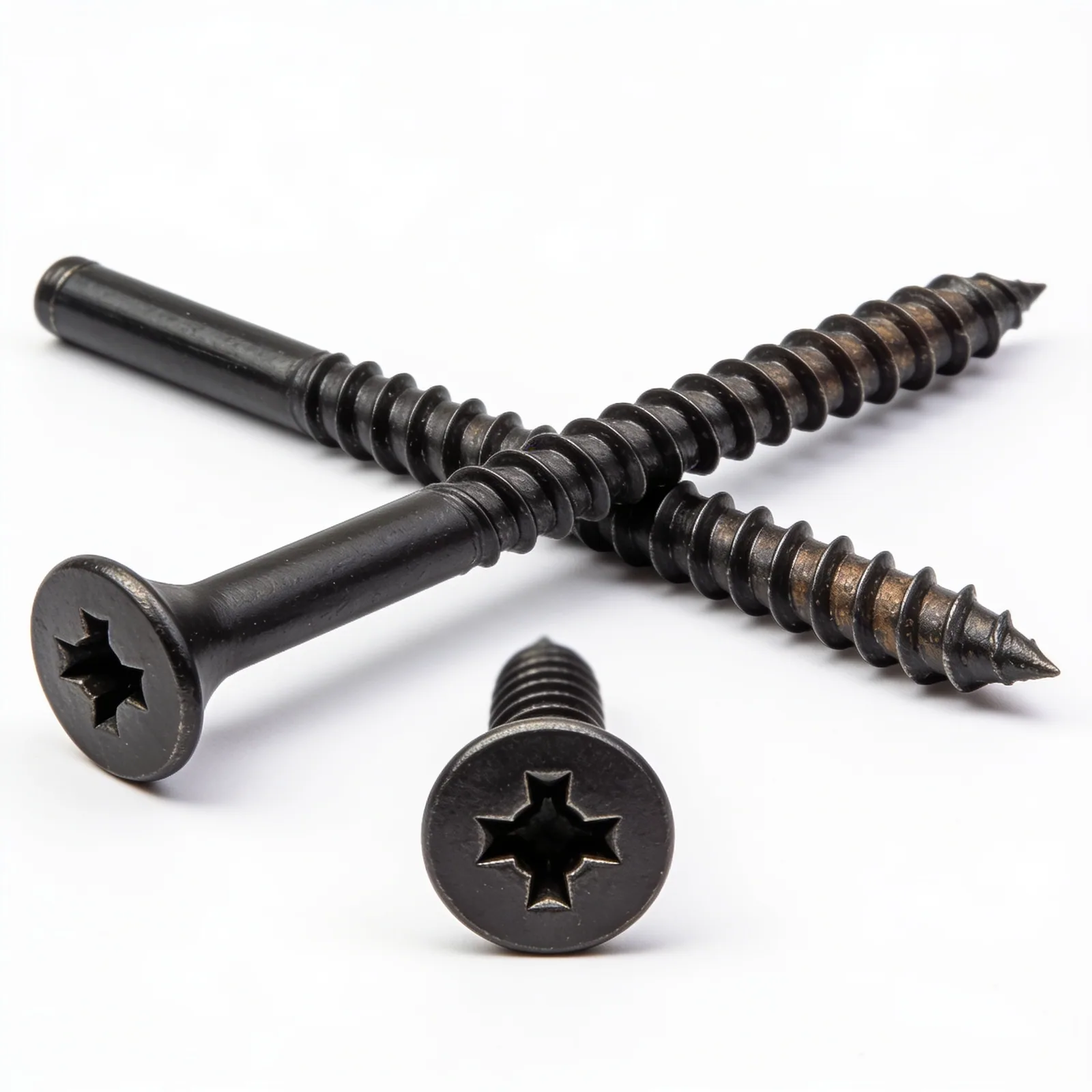
Bracken Structural Screw 6 × 80
Hardened carbon, black phosphate, TX30 — box of 50
$28.00
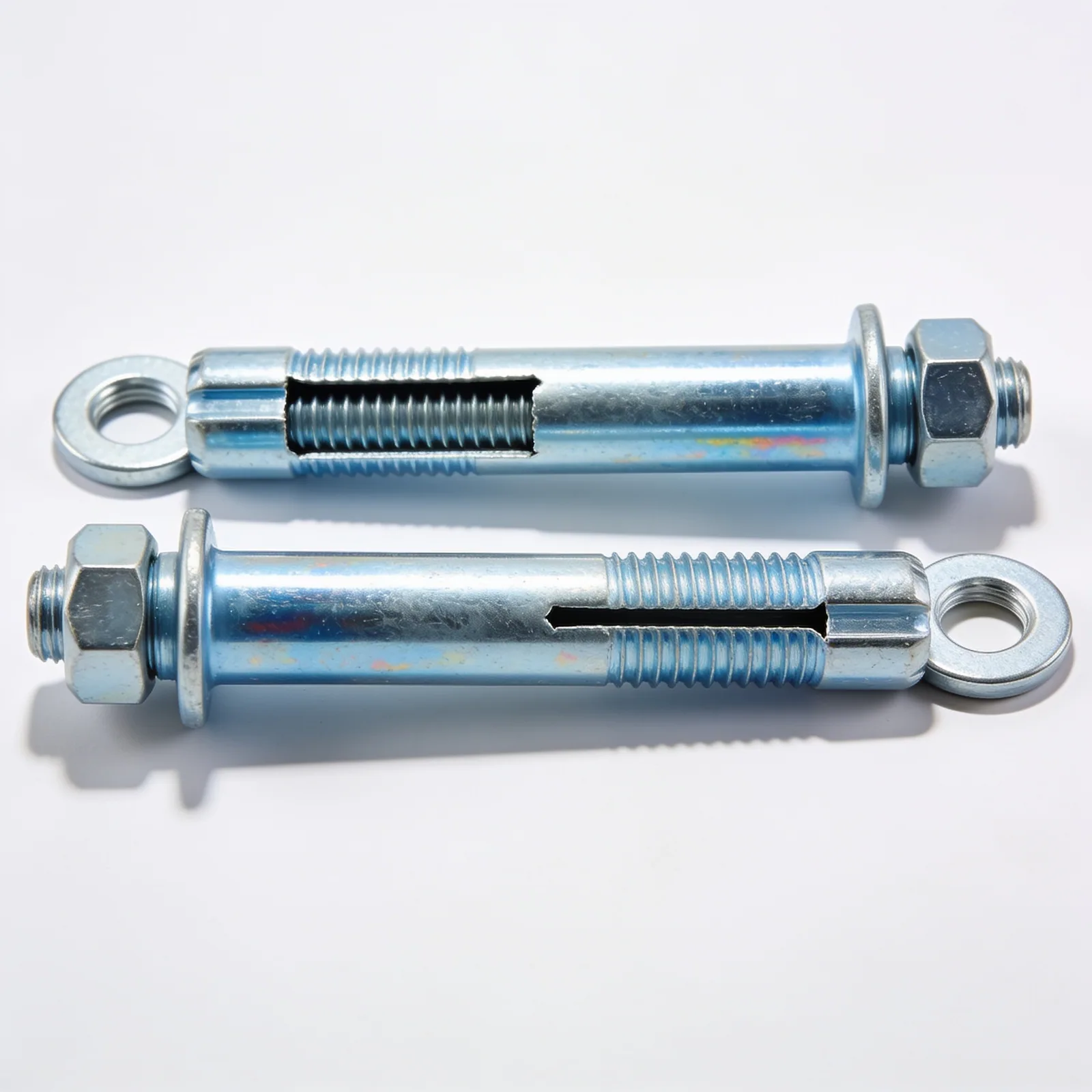
Gant Sleeve Anchor M10 × 90
Zinc plated, expanding sleeve, for solid masonry — box of 20
$37.00
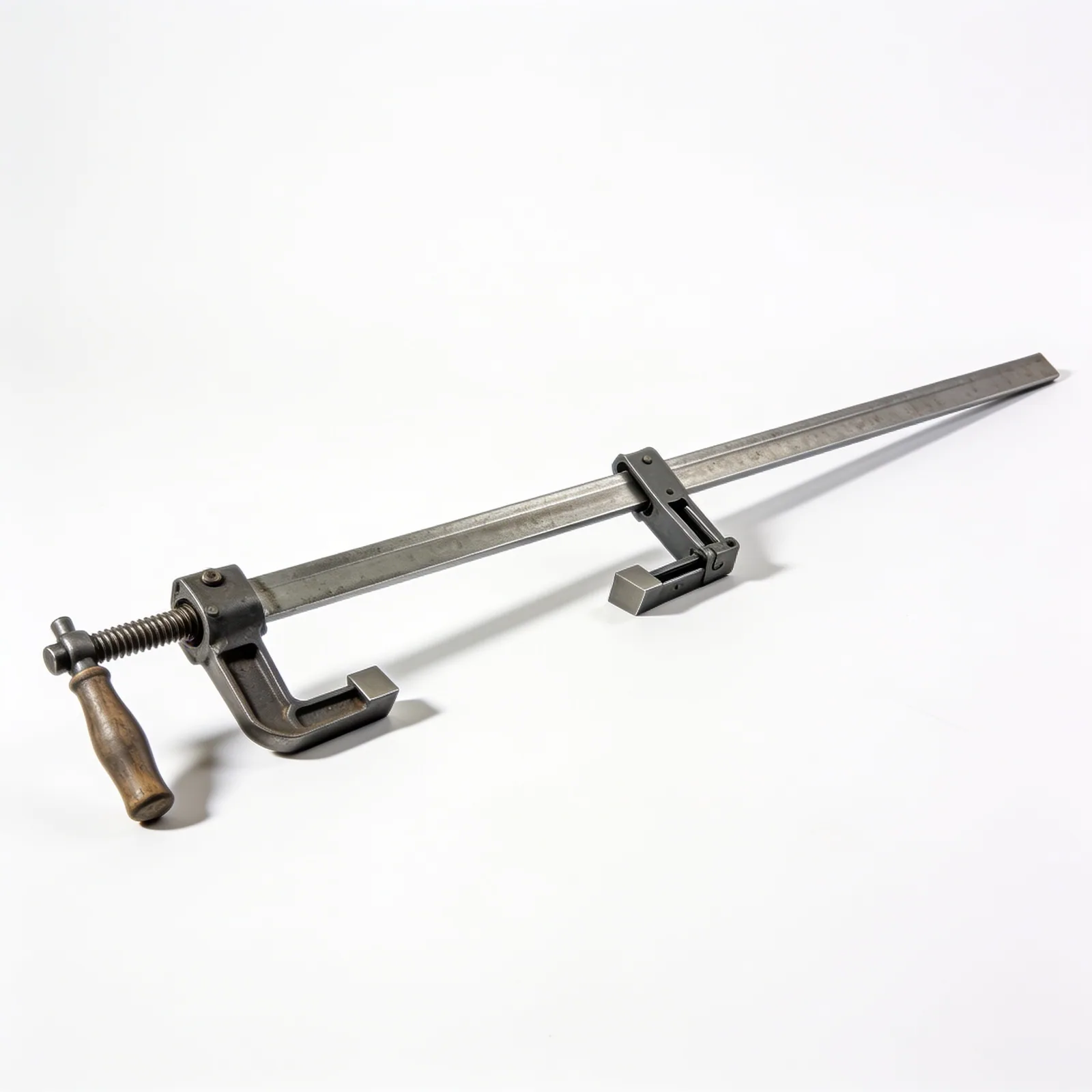
Byre Bar Clamp 600
Steel bar, 600 mm capacity, cork-faced pads
$42.00
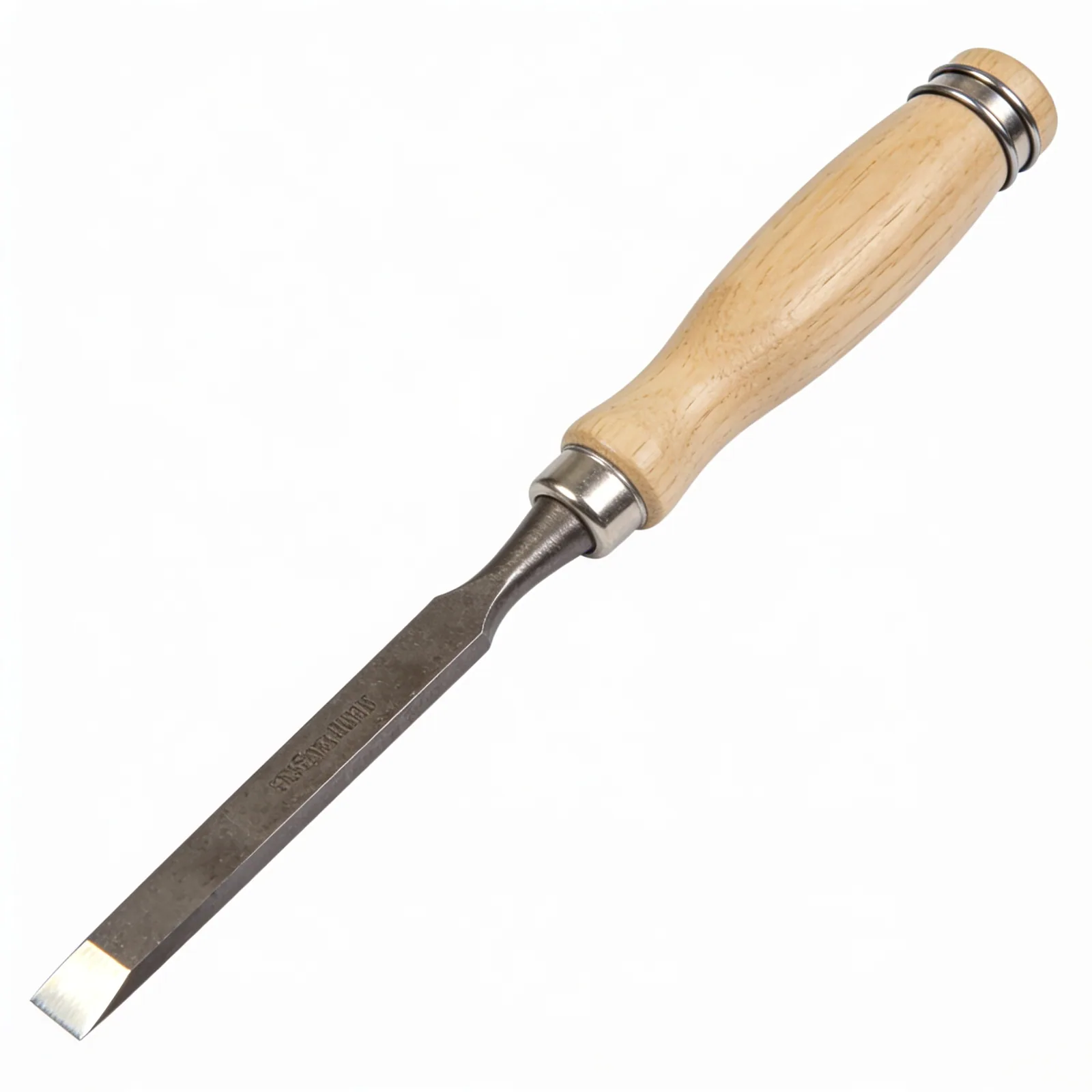
Rowan Bench Chisel 25 mm
Hardened carbon steel, ash handle, honed
$44.00
The specification
Three things every product page tells you.
Most shops tell you an anchor is heavy duty. We would rather tell you it holds 1,240 pounds in structural concrete and 290 in aerated block, that both figures already have a four-to-one safety factor taken out of them, and that dust left in the hole can cost you half of either. You can decide about heavy duty yourself.
How we rate things- What it holds, and in what
- A working load per substrate, because the same anchor honestly holds four times as much in concrete as in aerated block. A single headline number would have to be either the best case or the worst.
- Exactly what it is, exactly what size
- Grade, finish, thread form, diameter and length in millimetres, and the real count in the box. Enough to reorder the same part in three years and get the same part.
- What it will not do
- The block most shops leave out. Which finishes fail outdoors, which grades snap at a torque you would think nothing of, what dust in a hole costs you — stated before you buy, not after.
7 categories, 22 items
By category
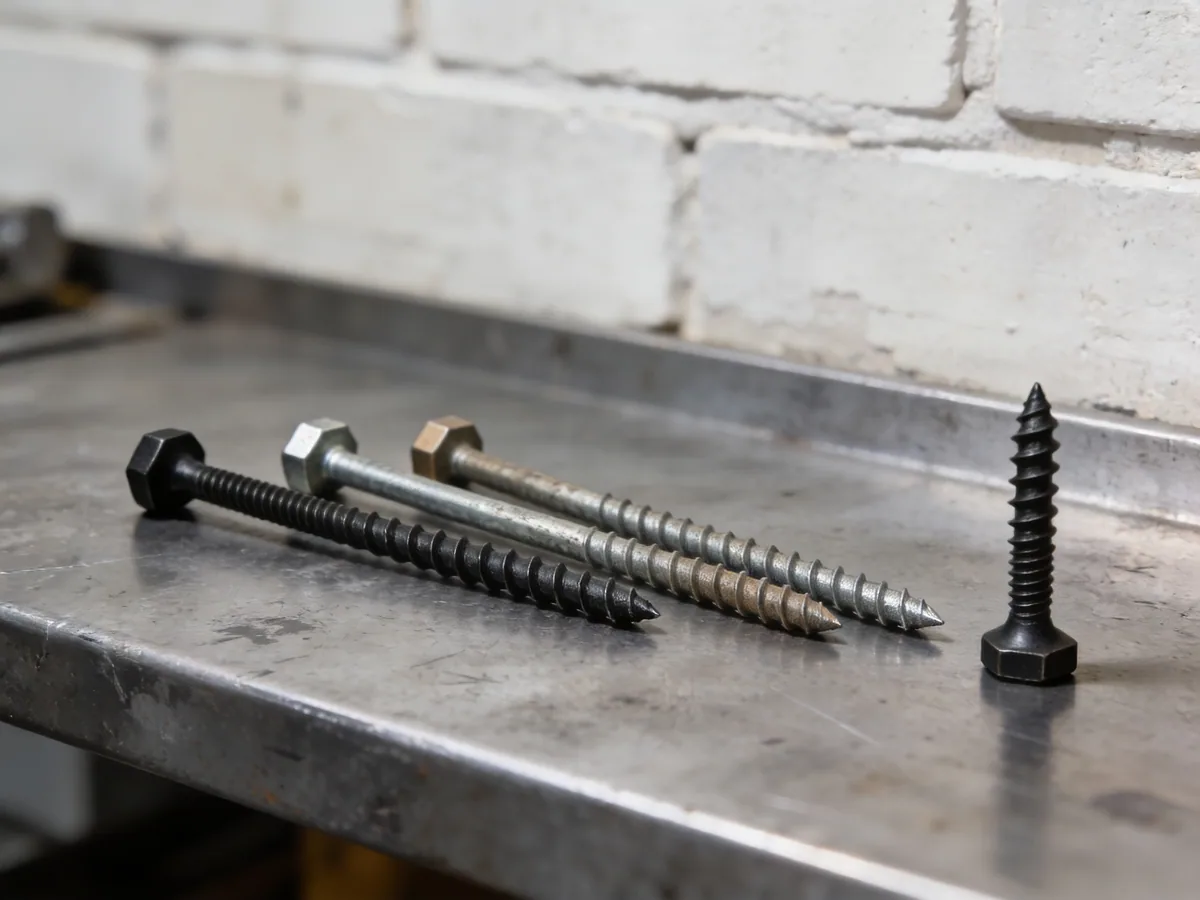
Fasteners
Structural screws, coach screws and bolts, sold by the box with the count on the label. Sized in millimetres by diameter and length rather than by a gauge nobody can convert on site.
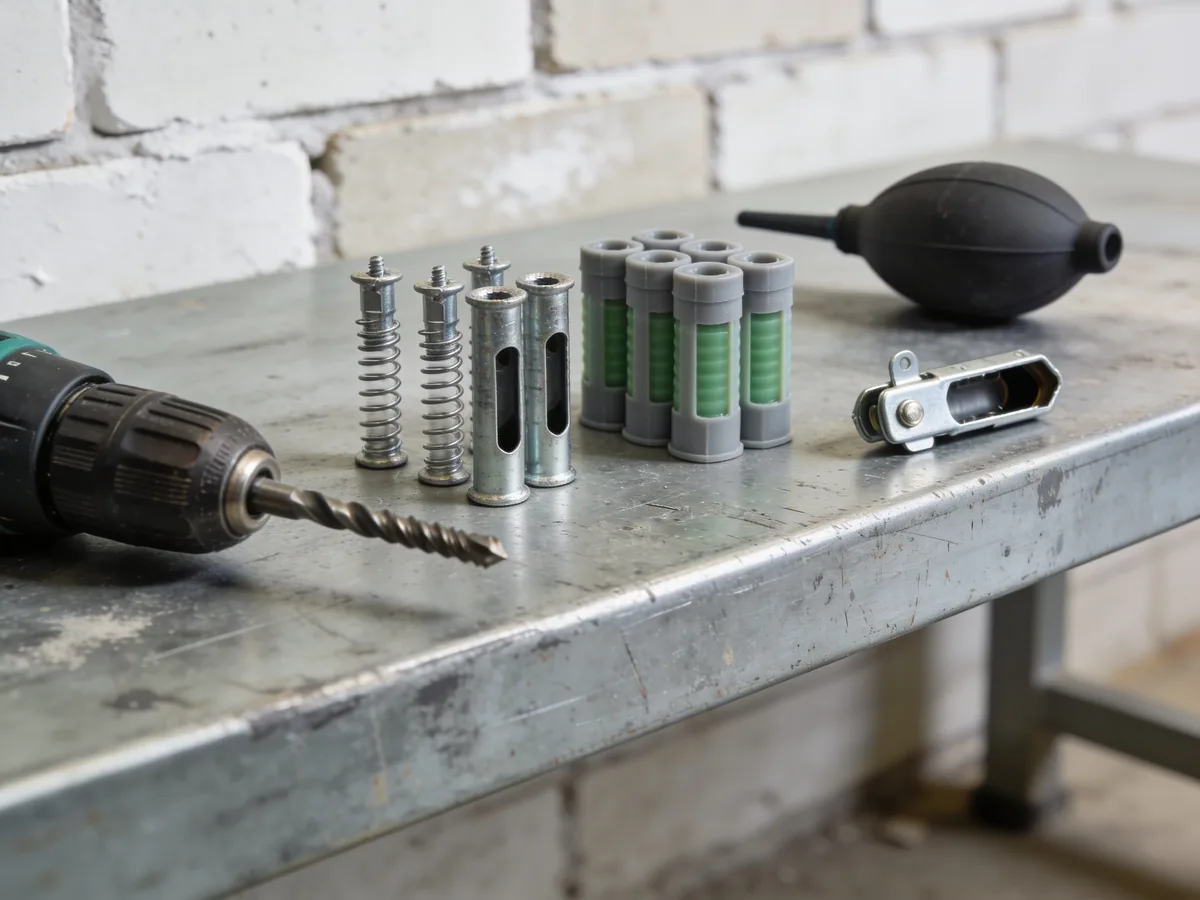
Anchors & Fixings
Sleeve anchors, hollow-wall fixings and injection resin. Every one publishes its working load in each substrate it was measured in, with the minimum embedment and edge distance that figure depends on.
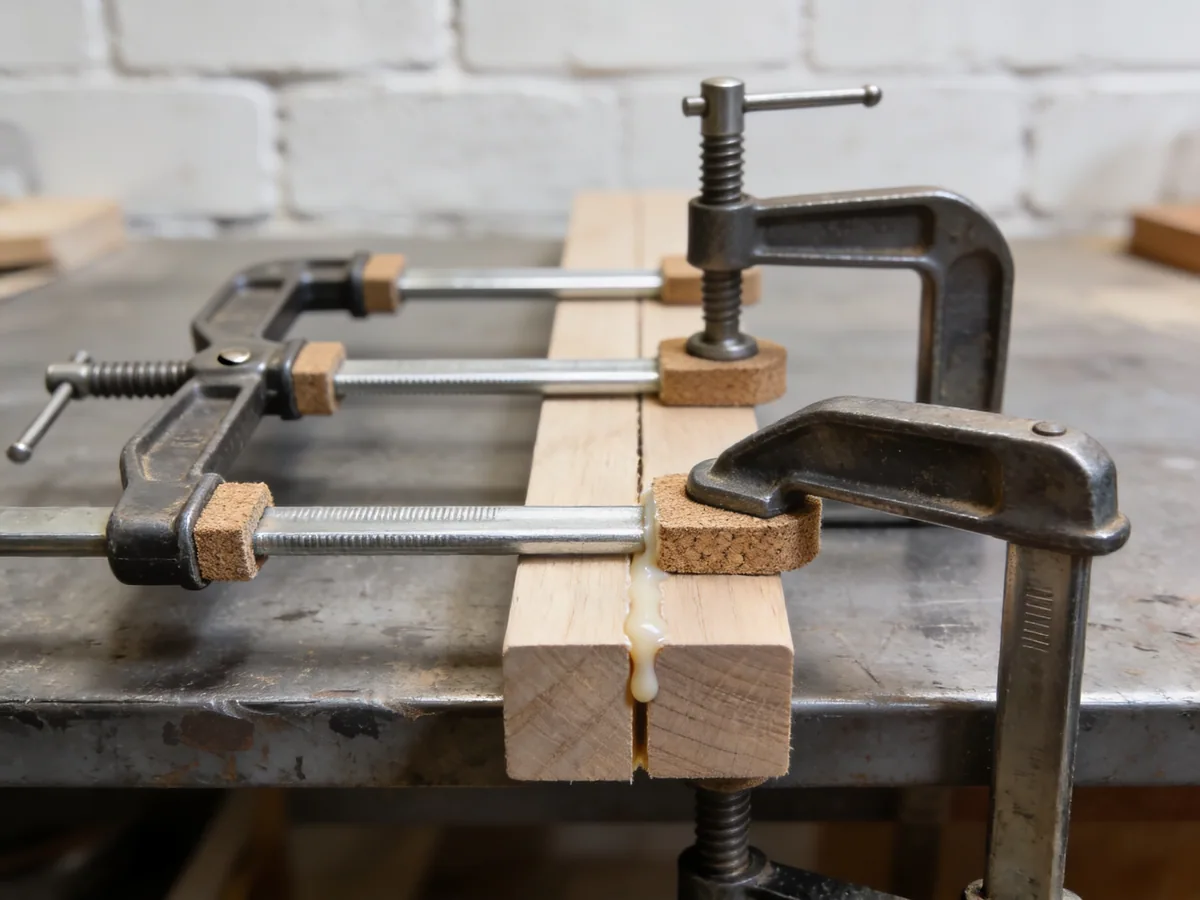
Clamps
Bar clamps, F-clamps and spring clamps. Clamping force is stated in pounds at the pad, not implied by the size of the casting.
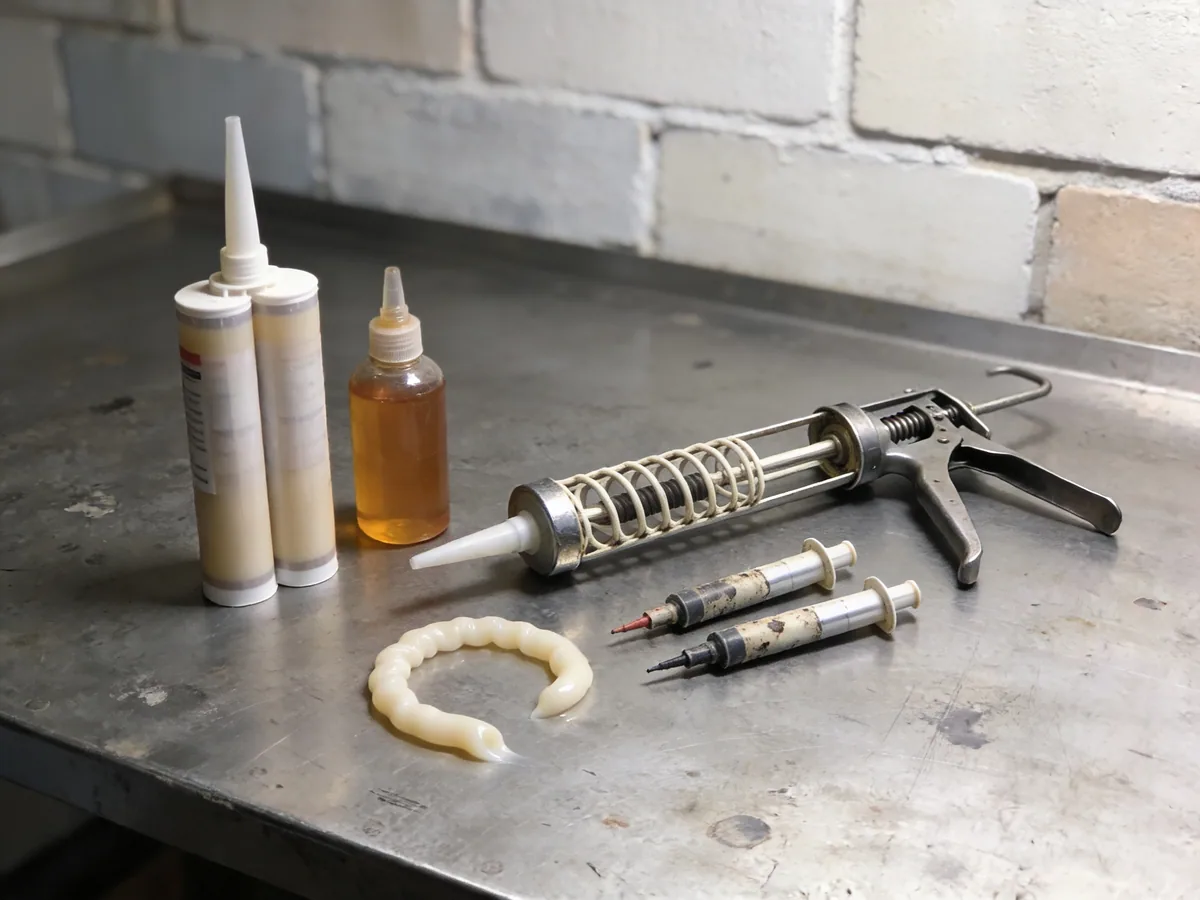
Adhesives & Sealants
Construction adhesive, polyurethane wood glue and neutral-cure sealant. Working time, full cure and service temperature are on the page as well as the tube.
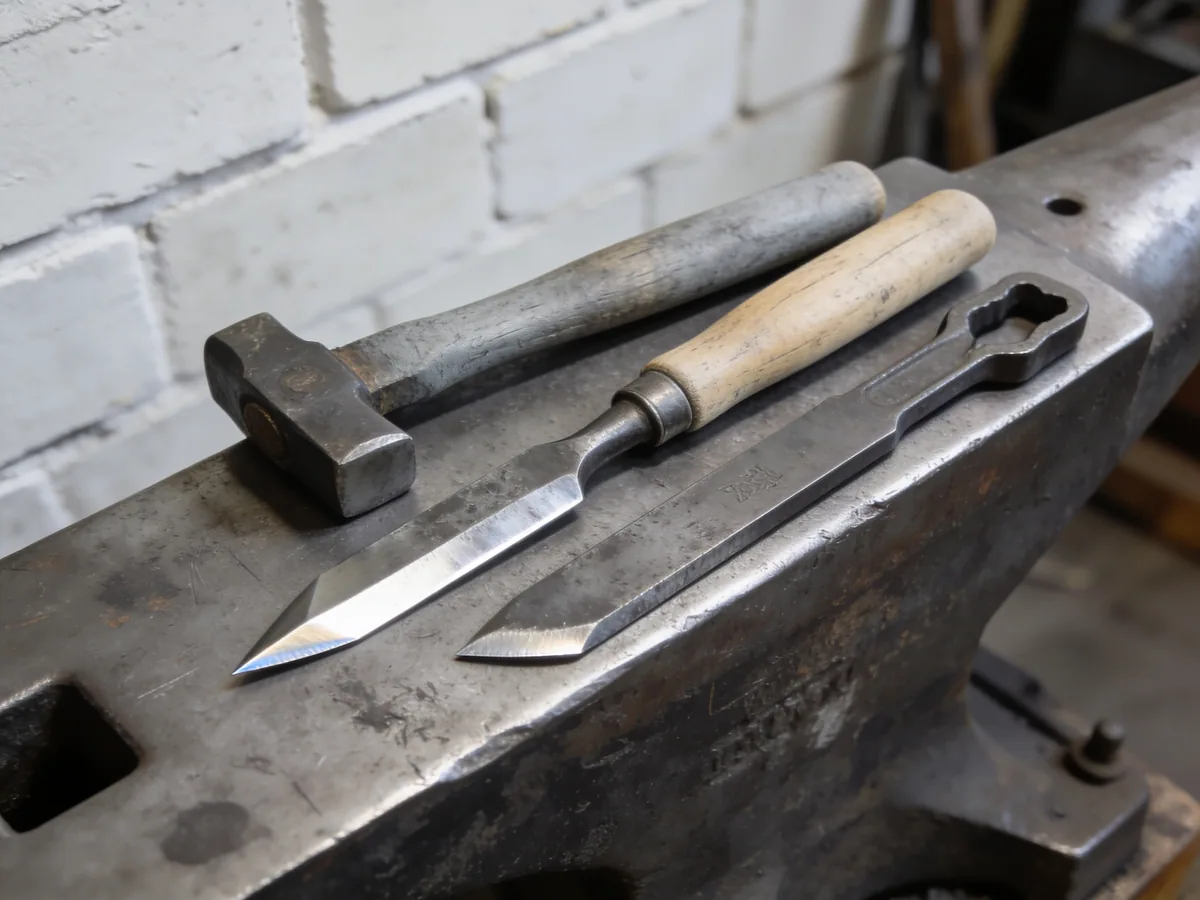
Hand Tools
Chisels, marking tools, bars and hammers in hardened carbon steel with hickory and ash handles. Ground and honed before they are boxed, not left to the buyer.
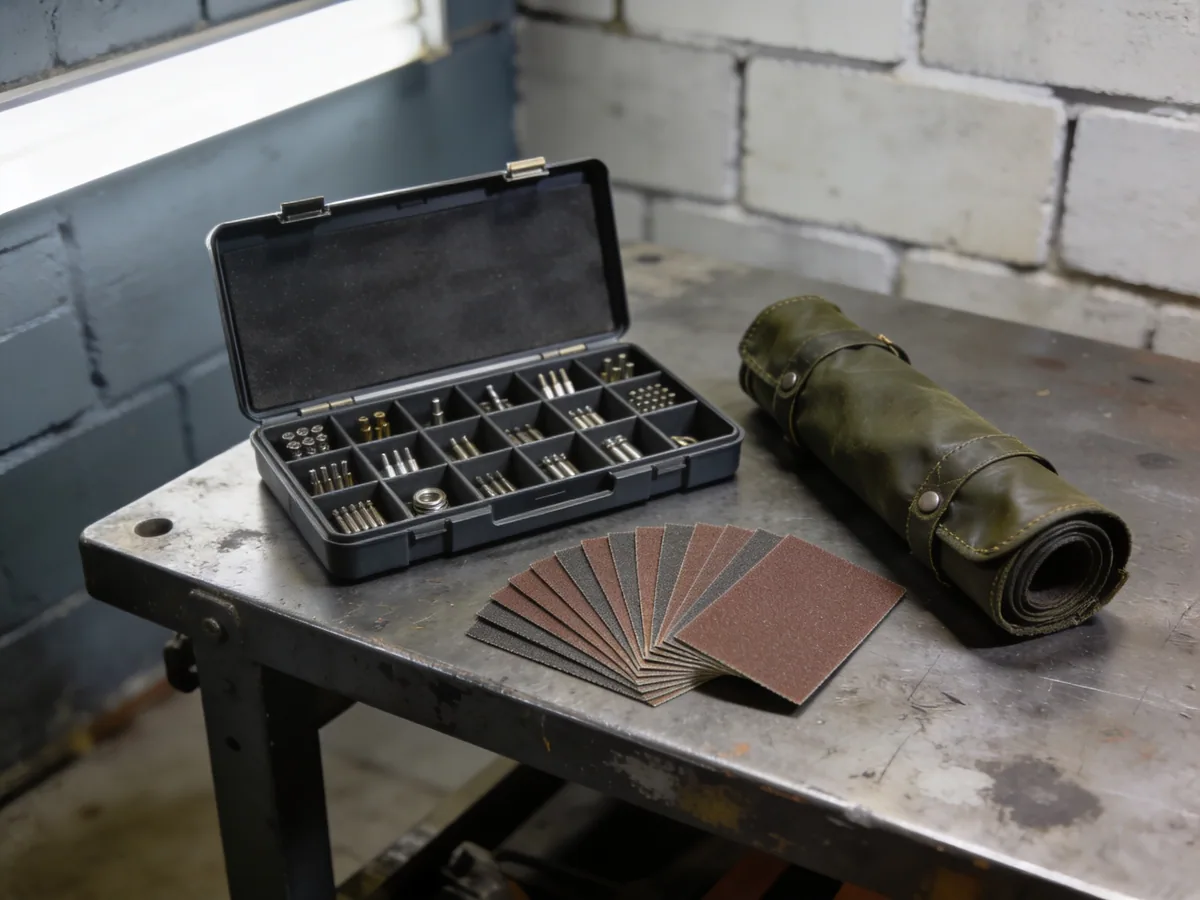
Workshop
Abrasives, tool rolls and fastener storage — the consumables and carriers that get restocked rather than bought once.
How a figure gets published
Four steps between a sample and a number on the page.
A load rating is only worth anything if you know how it was arrived at. Anyone can print a large number. These are the four steps behind every figure in the catalog, and the conditions each result depends on are published next to it.
- 1
Sampled
Ten to twenty pieces out of the delivered batch. Not a hand-picked sample, and not a figure copied off a supplier data sheet and reprinted as ours.
- 2
Pulled
On a bench rig, in the substrate named in the table, at 68°F and 12% moisture content for timber. Every substrate gets its own run, because the answers differ by a factor of four.
- 3
Divided
The tested mean is divided by four or five before it is published. What you read is a working load — the number to design around, not the number that broke the sample.
- 4
Conditioned
The conditions that governed the result get published beside it: embedment, edge distance, pilot size, board thickness. A load figure without its conditions is not a figure.
7 finishes
The finish decides where a part is allowed to go.
Two boxes of screws that look identical across a bench can have completely different working lives — one lasts twenty years outdoors, the other blooms orange within a season. The finish is the difference, and getting it wrong is the most common and the most expensive substitution mistake there is.
Where each one belongsBlack Phosphate
A conversion coating over hardened steel. It holds lubricant well and takes paint without a primer, and it is a mild sacrificial coating rather than a barrier one — indoors and in dry structure it lasts indefinitely, exposed to weather it will bloom orange within a season. Interior use only, and that is not a defect but the specification.
Hot-Dip Galvanised
Steel dipped in molten zinc, giving a thick barrier coat that keeps working after it is scratched because the zinc corrodes in preference to the steel. The coating is visibly uneven — runs, spangle and matte grey patches are normal and are how you tell hot-dip from a thin electroplate.
Zinc Plated
A thin bright electroplate, clear-passivated. It is a dry-interior finish with a fraction of the coating thickness of hot-dip, chosen where the appearance matters and the environment is controlled. Do not substitute it outdoors because it looks similar in the box.
A2 Stainless
304-grade austenitic stainless. Corrosion-resistant in ordinary damp and outdoors inland, non-magnetic, and softer than plated carbon steel — an A2 screw will cam out or snap at a torque that a hardened screw takes without complaint. Drill and pilot accordingly.
A4 Stainless
316-grade with molybdenum, which is what buys resistance to chlorides — coastal air, pool rooms, road salt. It is the finish to use where A2 will eventually pit, it costs roughly twice as much, and outside those environments the extra buys nothing.
Hardened Carbon Steel
Through-hardened and tempered carbon steel, ground and honed, left unplated on the working faces. It takes and keeps an edge far better than stainless, and in exchange it will spot with rust if it is put away wet. Wipe it dry and it outlasts you.
Waxed Canvas
Heavy cotton duck, paraffin-waxed for water resistance, with riveted stress points. It marks and creases readily and the wax will transfer onto a light surface in heat — that patina is the material behaving normally, not wearing out.
30-day returns
Unused and in original packaging, on a prepaid label we send you. Refunded within 5 business days of reaching us.
Free shipping over $85
Standard delivery in 3–6 business days. Tracking on every order.
Arrived damaged or short
Send a photograph within 14 days, or tell us the count was wrong. Replaced or refunded in full including shipping — and nothing to post back.